 breast.oncosurgery@gmail.com
 +91 9871413426
 Home
Home Testimonials
 Blogs
Blogs Contact



Daily Lifestyle Habits to Reduce Breast Cancer Risk: Insights from Dr. Deepak Jha
- News
- Daily Lifestyle Habits to Reduce Breast Cancer Risk
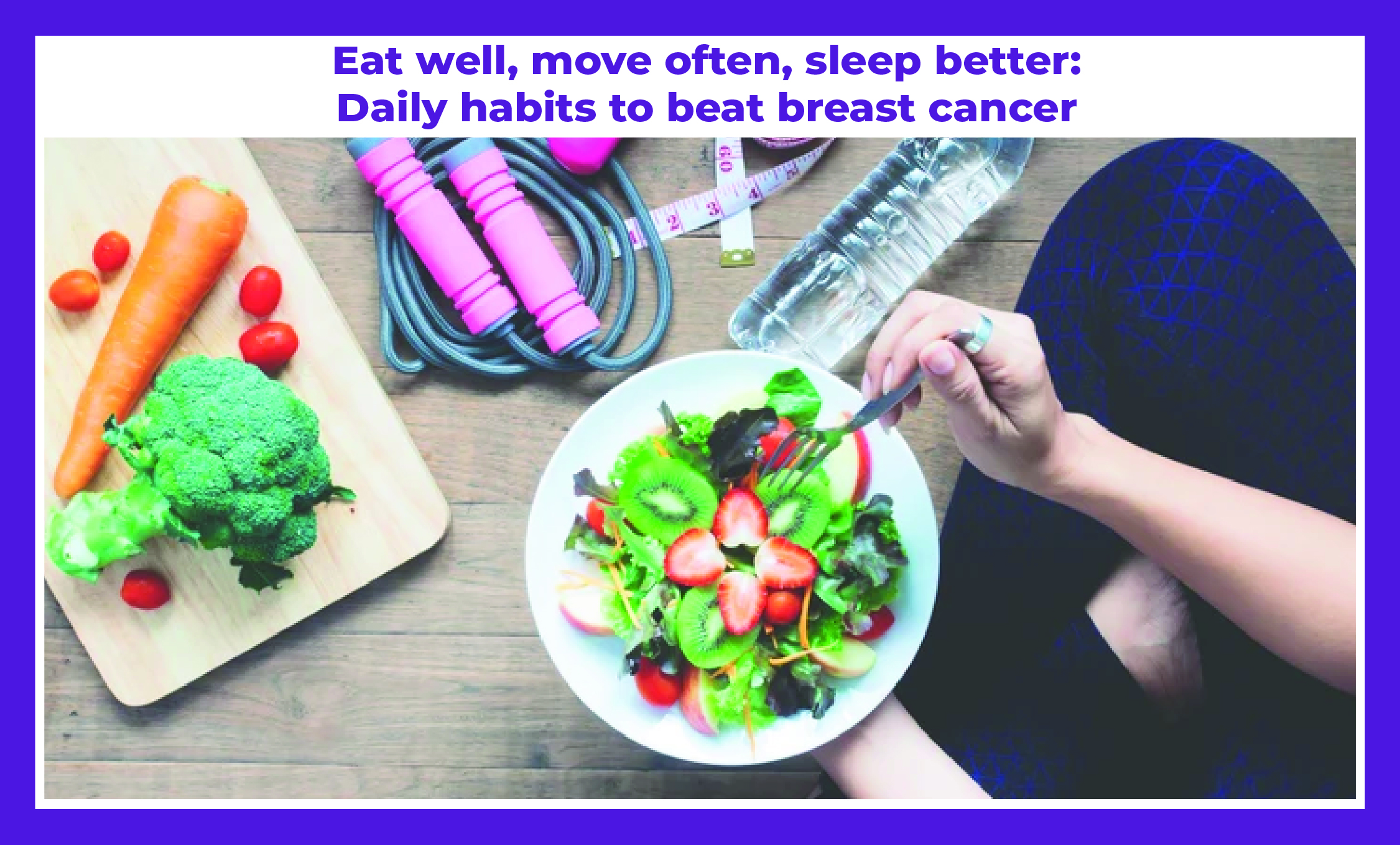
Breast cancer awareness: Inherited risk explains only a fraction of breast cancer cases. Regular exercise, balanced nutrition and stress control help protect women's health and support prevention
Breast cancer continues to be one of the most common cancers affecting women worldwide. While genetics play a role, lifestyle choices such as diet, physical activity and stress management can make a significant difference in reducing risk.
Breast cancer continues to be one of the most common cancers affecting women worldwide. While genetics play a role, lifestyle choices such as diet, physical activity and stress management can make a significant difference in reducing risk.
One in twenty Indian women (around 4 per cent) develop breast cancer during their lifetime.
Lifestyle factors vs genetics
Lifestyle factors such as diet, exercise, and stress management, have a big effect on the risk of breast cancer, shares Dr Deepak Jha, chief- breast surgery & senior consult- surgical oncology, Artemis Hospitals.
“Genetics play a role, but the choices we make every day can change this risk. Even people who are genetically predisposed to breast cancer can lower their risk by eating well and exercising regularly,” he says. On the other hand, bad habits can raise the risk, even if genetic factors are at play, he notes.
Right diet to lower breast cancer risk
- Eating a lot of fruits, vegetables, whole grains and legumes may lower your risk of getting breast cancer.
- Berries, leafy greens, fatty fish and nuts are all foods that are high in fiber, antioxidants and healthy fats, and help keep cells safe from damage.
“These food items may help by regulating hormones (especially oestrogen), reducing inflammation, lowering insulin resistance, and improving gut health and immune-function,” says Dr Baruah.
"The Mediterranean diet which focuses on plant based foods and healthy oils is an example of a pattern that helps keep hormones in balance, lowers inflammation and improves overall metabolic health,” adds Dr Jha.
Limiting processed foods, red meat, and added sugars further helps maintain a healthy weight, which is key to lowering breast cancer risk.
Move more, sit less
Evidence supports at least 150 minutes per week of moderate to intensity activity (or 75 minutes of vigorous activity) for breast-cancer prevention, shares Dr Baruah. “A study found that among post-menopausal women, those doing about 5 to 10 hours of brisk walking per week [about 20 to 40 metabolic equivalents of task per week], had a 30 per cent lower risk. In India context, that may translate to brisk walking, cycling, yoga, active house chores, stair-climbing,” she explains.
“Practicing both cardio and strength training gives you the best protection,” adds Dr Jha.
Stress, sleep and hormonal health
Stress that lasts a long time and not getting enough sleep can cause inflammation, mess up hormone balance and weaken immunity, all of which may raise the risk of breast cancer, says Dr Jha. Stress hormones like cortisol can stop cells from growing and not getting enough sleep can stop the body from fixing itself, he adds.
“In a Delhi-based case-control study, poor sleep quality, irregular sleep and severe stress were associated with risk for breast cancer. While, a global review of studies found that women who experienced high levels of stress or major life events had a slightly higher risk of developing breast cancer,” shares Dr Baruah.
Simple ways to help lower stress and improve sleep quality-
- Mindfulness meditation
- Deep breathing exercises, yoga
- Keeping a regular sleep schedule
- Reducing screen time before bed
- Avoiding caffeine
- Spending time in nature
Barriers to healthier habits
Women in India face several challenges when it comes to maintaining a healthy lifestyle. These include limited awareness about how lifestyle affects cancer risk, cultural expectations that leave little time for exercise, and jobs that involve long hours of sitting. The affordability of healthy foods, the stress of caregiving, and social taboos around self-care add further hurdles.
“Women can feel stronger when they learn about the connection between lifestyle and cancer, get help from community resources and take part in workplace wellness programs. Small, long-lasting changes are better than big and short-term fixes,” says Dr Jha.
Experts suggest practical steps such as planning meals in advance, finding enjoyable ways to stay active, seeking support from friends and family, setting realistic goals, and making small daily changes that can be sustained over time.
Screening remains essential
Genetics and environmental factors also play a role in breast cancer, so even women with perfect diets, exercise routines, and low stress can get it. Mammograms, ultrasounds and MRIs are examples of screening methods that can find cancer early, often before symptoms show up, say experts.
Healthy habits lower the risk but they don’t guarantee that something won’t happen. Regular screening helps find problems early, raises survival rates and gives you peace of mind. It doesn’t replace healthy lifestyle changes, it works with them.
Disclaimer: This article has been adapted from content originally published by Business Standard
Subscribe Newsletter
Get all the information, latest updates, and articles delivered directly in your inbox