 breast.oncosurgery@gmail.com
 +91 9871413426
 Home
Home Testimonials
 Blogs
Blogs Contact



Why More Women in Their 30s Are Being Diagnosed with Breast Cancer?
- Blog
- Women in Their 30s Are Being Diagnosed with Breast Cancer
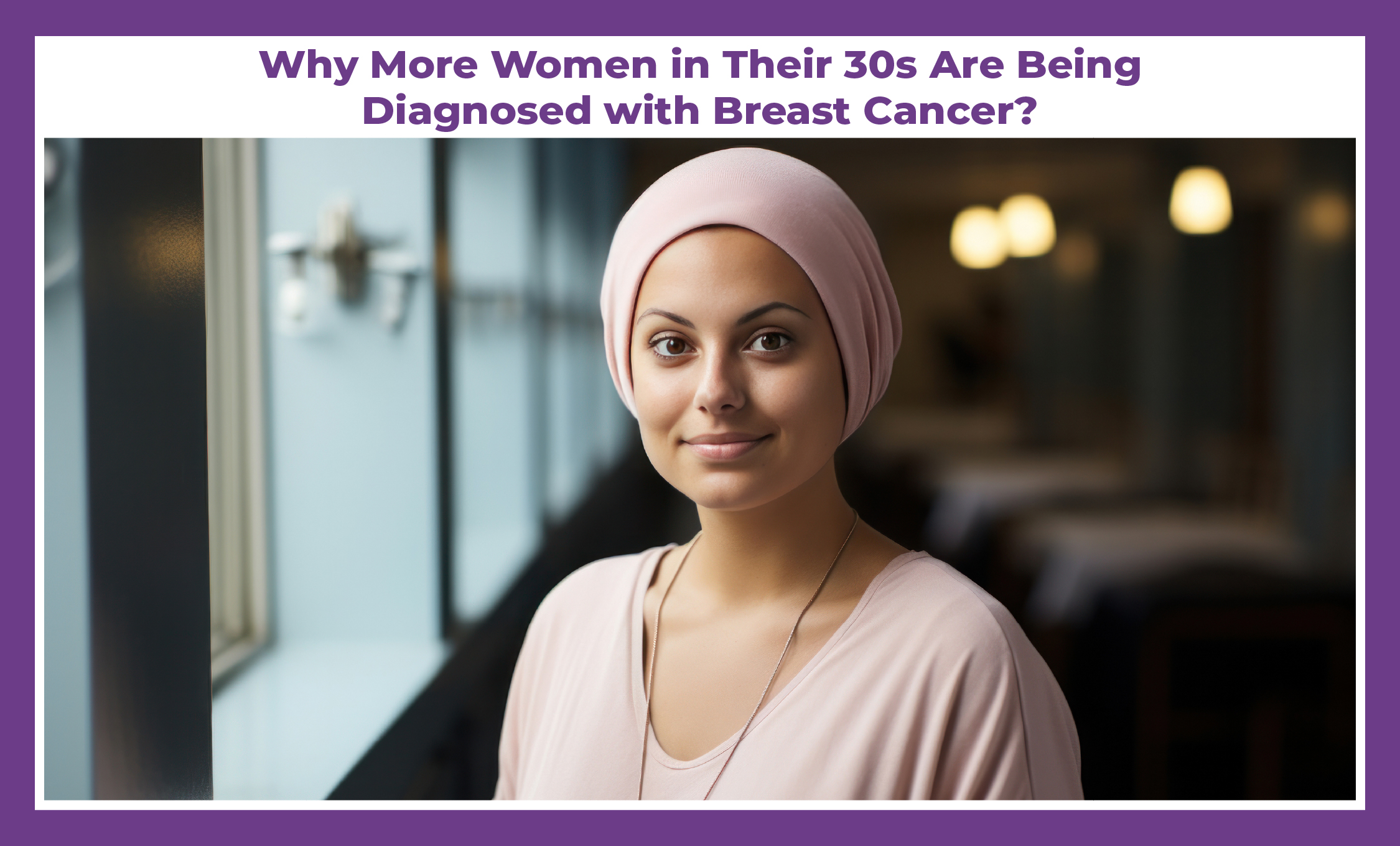
For many years, breast cancer was considered a disease that mainly affected women over the age of 50. However, doctors across India and around the world are noticing a concerning trend—more women in their 30s are being diagnosed with breast cancer than ever before. This shift has created awareness among healthcare professionals and raised important questions among women who previously believed they were too young to worry about breast cancer.
A diagnosis of breast cancer in the 30s can be particularly challenging because this is often a time when women are focused on building careers, raising children, planning families, and managing multiple responsibilities. The emotional, physical, and financial impact can be overwhelming. Yet, despite the increasing numbers, many young women remain unaware of their risk and often ignore early warning signs.
Understanding why breast cancer is becoming more common among younger women is essential. Awareness can lead to earlier diagnosis, better treatment outcomes, and potentially save lives. If detected early and managed by an experienced specialist such as Dr. Deepak Jha Breast Cancer Surgeon, treatment outcomes can be significantly improved. As a renowned Breast Cancer Doctor in Delhi, Breast Cancer Doctor in Gurgaon, and Breast Cancer Doctor in Haryana, Dr. Deepak Jha emphasizes the importance of awareness, timely diagnosis, and personalized treatment for women of all ages.
Is Breast Cancer Really Increasing in Women in Their 30s?
Over the past few decades, several studies have shown an increase in breast cancer diagnoses among younger women. While breast cancer remains more common in older women, healthcare professionals are seeing a growing number of patients in their late 20s and 30s seeking treatment for breast-related concerns.
In India, breast cancer has become the most commonly diagnosed cancer among women. What is particularly noteworthy is that Indian women tend to develop breast cancer at a younger age compared to women in many Western countries. This trend has prompted researchers to investigate the possible causes behind the rise.
Experts believe there is no single reason for the increase. Instead, a combination of lifestyle changes, environmental factors, reproductive patterns, genetic influences, and improved detection methods may all be contributing to the growing number of cases.
Changing Lifestyle Patterns and Their Impact
One of the most significant changes in modern society is the way people live. Compared to previous generations, today's lifestyles are vastly different. Many women spend long hours working at desks, using computers, commuting, and managing demanding schedules. Physical activity often takes a back seat to work and family responsibilities.
A sedentary lifestyle can contribute to obesity, hormonal imbalances, and metabolic disorders, all of which may increase the risk of breast cancer. Regular physical activity helps regulate hormone levels, reduce inflammation, strengthen the immune system, and maintain a healthy body weight. Unfortunately, many women struggle to find time for exercise, increasing their vulnerability to various health conditions, including breast cancer.
Delayed Pregnancy and Modern Reproductive Choices
Over the years, societal priorities have changed. More women are pursuing higher education, establishing careers, achieving financial independence, and delaying marriage and childbirth. While these changes represent positive social progress, they may also influence breast cancer risk.
Pregnancy and breastfeeding have protective effects on breast tissue. Women who have their first child later in life or do not have children may experience longer exposure to certain hormones, particularly estrogen, which can influence breast cancer development.
This does not mean that delaying pregnancy causes breast cancer. However, reproductive patterns are considered one of several factors that may contribute to the increasing incidence of breast cancer among younger women.
Obesity and Weight Gain Are Growing Concerns
Obesity has become one of the biggest health challenges worldwide. Excess body fat is not just a cosmetic issue it can significantly affect overall health and increase the risk of several diseases, including breast cancer.
Fat tissue produces estrogen, and higher estrogen levels can stimulate the growth of certain breast cancer cells. Obesity is also associated with chronic inflammation, insulin resistance, and elevated levels of growth-promoting hormones, all of which may contribute to cancer development.
Many women in their 30s experience weight gain due to busy schedules, lack of exercise, unhealthy eating habits, and hormonal changes. Maintaining a healthy weight through proper nutrition and physical activity is one of the most effective ways to reduce cancer risk.
Unhealthy Dietary Habits
The modern diet has changed dramatically compared to previous generations. Fast food, processed snacks, sugary beverages, and convenience meals have become common parts of daily life.
These foods are often high in calories, unhealthy fats, sugar, and preservatives while lacking essential nutrients. Poor dietary habits can contribute to obesity, inflammation, and metabolic disturbances, which may increase cancer risk over time.
A healthy diet rich in fruits, vegetables, whole grains, nuts, seeds, lean proteins, and healthy fats provides the body with essential nutrients and antioxidants that help protect cells from damage. Nutrition alone cannot prevent breast cancer, but it plays an important role in overall health and risk reduction.
The Role of Stress in Modern Life
Women today often juggle multiple responsibilities simultaneously. Career pressures, family commitments, financial concerns, parenting responsibilities, and social expectations can create significant levels of stress.
Although stress has not been directly proven to cause breast cancer, chronic stress can negatively affect overall health. Long-term stress may weaken the immune system, disrupt sleep patterns, contribute to weight gain, and encourage unhealthy coping mechanisms such as poor eating habits or lack of exercise.
Managing stress through mindfulness, exercise, relaxation techniques, and adequate rest can support both physical and emotional well-being.
Environmental Factors and Exposure to Chemicals
Another area of growing research involves environmental exposures. Modern life exposes individuals to a wide range of chemicals found in plastics, cosmetics, cleaning products, pesticides, and industrial pollutants.
Some of these substances are known as endocrine-disrupting chemicals because they may interfere with normal hormone function. Researchers are studying whether long-term exposure to these compounds could influence breast cancer risk.
While no specific product has been definitively linked to causing breast cancer, reducing unnecessary exposure to potentially harmful chemicals and choosing safer alternatives whenever possible may be beneficial.
Family History and Genetic Factors
Genetics remains one of the most important risk factors for breast cancer, especially in younger women.
Women who have close relatives diagnosed with breast cancer may have an increased risk of developing the disease themselves. Certain inherited gene mutations, particularly BRCA1 and BRCA2, can significantly raise breast cancer risk.
A woman should discuss genetic counseling with a specialist if she has:
- A mother, sister, or daughter diagnosed with breast cancer.
- Multiple family members with breast or ovarian cancer.
- Family members diagnosed at a young age.
- A history of male breast cancer in the family.
For women with a strong family history, early screening and preventive strategies may be recommended by a qualified Breast Cancer Doctor in Delhi or Breast Cancer Doctor in Haryana.
Why Breast Cancer in Younger Women Can Be More Aggressive?
Breast cancer diagnosed in younger women often behaves differently than breast cancer diagnosed later in life.
Studies suggest that tumors in younger women may grow faster, be more aggressive, and have a higher likelihood of recurrence. In addition, younger women generally have denser breast tissue, which can make abnormalities harder to detect during routine examinations.
Because screening mammograms are not commonly recommended for women under 40 unless they are high-risk, diagnosis may sometimes occur at a more advanced stage.
This makes awareness of symptoms and regular self-monitoring particularly important for women in their 30s.
Symptoms Women Should Never Ignore
Many women mistakenly believe that breast cancer always causes pain. In reality, early-stage breast cancer is often painless.
Some symptoms that should never be ignored include a new lump in the breast, thickening of breast tissue, changes in breast shape or size, dimpling of the skin, redness, swelling, nipple discharge, nipple inversion, persistent discomfort, or swelling under the arm.
Even if these symptoms turn out to be non-cancerous, they should always be evaluated by an experienced breast specialist. Early medical consultation can provide peace of mind and ensure prompt treatment if needed.
Better Awareness Is Leading to More Diagnoses
Part of the apparent increase in breast cancer cases among younger women may actually be due to improved awareness and detection.
Today, women have greater access to health information through the internet, social media, awareness campaigns, and healthcare professionals. They are more likely to seek medical attention when they notice changes in their breasts.
Advances in imaging technology, diagnostic techniques, and specialized breast clinics have also improved the ability to detect breast cancer at earlier stages.
While the rising numbers can be concerning, improved diagnosis means more women are receiving timely treatment and better outcomes.
Importance of Early Detection
Early detection remains one of the most powerful tools in the fight against breast cancer.
When breast cancer is diagnosed at an early stage, treatment is generally more effective and less extensive. Early detection can improve survival rates, increase treatment options, and reduce the need for aggressive therapies.
Women should become familiar with the normal appearance and feel of their breasts and promptly report any unusual changes to a healthcare professional.
Regular clinical breast examinations and risk-based screening plans can play an important role in early diagnosis.
Treatment Options for Young Women with Breast Cancer
Breast cancer treatment depends on several factors, including the stage of cancer, tumor characteristics, overall health, and personal preferences.
Treatment may include surgery, chemotherapy, radiation therapy, targeted therapy, hormone therapy, or a combination of these approaches.
Advances in cancer care have made treatment more personalized than ever before. Modern therapies aim not only to treat cancer effectively but also to preserve quality of life whenever possible.
For patients requiring breast cancer surgery in Delhi, breast cancer surgery in Gurgaon, or breast cancer surgery in Haryana, choosing an experienced surgeon is crucial for achieving the best possible outcomes.
When Should You Consult a Breast Cancer Specialist?
Many women hesitate to seek medical advice because they assume they are too young to develop breast cancer. This misconception can lead to dangerous delays in diagnosis.
Any woman who notices a breast lump, nipple changes, skin changes, persistent pain, or other unusual symptoms should consult a specialist promptly.
Early evaluation does not necessarily mean cancer is present. In fact, many breast lumps in younger women are benign. However, only proper medical assessment can determine the cause.
Consulting an experienced specialist such as Dr. Deepak Jha Breast Cancer Surgeon can help ensure accurate diagnosis and appropriate treatment planning.
The increasing number of breast cancer diagnoses among women in their 30s highlights the need for greater awareness and proactive healthcare. While several factors—including lifestyle changes, obesity, delayed childbirth, environmental exposures, genetics, and improved detection—may contribute to this trend, one message remains clear: breast cancer can affect younger women, and early detection saves lives.
Women should not ignore unusual breast changes simply because they are young. Awareness, regular health check-ups, and timely consultation with an experienced Breast Cancer Doctor in Gurgaon, Breast Cancer Doctor in Delhi, or Breast Cancer Doctor in Haryana can make a significant difference.
If you have concerns about your breast health, seeking expert guidance from Dr. Deepak Jha Breast Cancer Surgeon can help you take the right steps toward diagnosis, treatment, and long-term well-being. Early action today can protect your health tomorrow.