 breast.oncosurgery@gmail.com
 +91 9871413426
 Home
Home Testimonials
 Blogs
Blogs Contact



How Many Cycles of Chemotherapy Are Needed in Breast Cancer Treatment?
- Blog
- Cycles of Chemotherapy in Breast Cancer
When someone is told they have breast cancer, the word “chemotherapy” often creates fear. Along with that fear comes a very common question:
“How many cycles of chemotherapy will I need?”
This is one of the most important and emotional questions for patients and families. People want to know how long treatment will last, how strong it will be, and what their body will go through.
The truth is, there is no one fixed number of chemotherapy cycles for all breast cancer patients. The number of cycles depends on the stage of cancer, the type of breast cancer, and the overall health of the patient. Doctors who provide breast cancer treatment in Delhi and Gurugram decide this carefully after studying all medical reports.
What Is Chemotherapy in Breast Cancer?
Chemotherapy is a treatment that uses strong medicines to destroy cancer cells. These medicines travel through the blood to reach cancer cells in different parts of the body. That is why chemotherapy is called a “whole-body” or systemic treatment.
In breast cancer, chemotherapy is used for different purposes. Sometimes it is given before surgery to reduce the size of the tumor. Sometimes it is given after surgery to destroy any remaining cancer cells. In advanced cases, it may be used to control cancer and reduce symptoms.
Doctors providing breast cancer treatment in Delhi often combine chemotherapy with surgery, radiation therapy, hormone therapy, or targeted therapy to give the best possible results.
What Does One Cycle of Chemotherapy Mean?
A chemotherapy cycle means one round of treatment followed by a rest period.
For example, chemotherapy may be given on one day, and then the body is allowed to rest for two or three weeks. This rest period is important because it helps the body recover from side effects and regain strength before the next dose.
So when a doctor says “you will need six cycles of chemotherapy,” it usually means chemotherapy will continue for about four to six months, depending on the schedule.
So, How Many Cycles of Chemotherapy Are Usually Needed?
Most breast cancer patients need between four to eight cycles of chemotherapy. However, this is only an average number. Some patients may need fewer cycles, while others may need more, depending on their condition.
The final number is decided after looking at several important factors such as the stage of cancer, the type of breast cancer, whether surgery has already been done, and how well the patient’s body is handling treatment
A breast cancer doctor in Gurugram or Delhi will always customize the treatment plan instead of following a fixed formula for every patient.
Role of Cancer Stage in Deciding Chemotherapy Cycles
The stage of breast cancer plays a major role in deciding how many cycles of chemotherapy are needed.
In early-stage breast cancer, where the tumor is small and has not spread much, chemotherapy is usually given after surgery. In such cases, four to six cycles are commonly enough.
In locally advanced breast cancer, where the tumor is large or lymph nodes are involved, chemotherapy is often given before surgery to shrink the tumor. These patients may need six to eight cycles
In advanced or metastatic breast cancer, where cancer has spread to other parts of the body, chemotherapy may be given for a longer time. The number of cycles depends on how well the cancer responds and how well the patient tolerates the treatment.
Type of Breast Cancer Also Matters
Breast cancer is not a single disease. There are different types of breast cancer, and each behaves differently.
Hormone-positive breast cancer grows due to female hormones like estrogen. In these cases, chemotherapy may be limited, and hormone therapy becomes more important.
HER2-positive breast cancer needs chemotherapy along with targeted therapy medicines. These patients usually receive around six cycles of chemotherapy, followed by targeted therapy for a longer period.
Triple-negative breast cancer is considered more aggressive. It usually requires six to eight cycles of chemotherapy for better control.
This is why two patients with breast cancer may receive different numbers of chemotherapy cycles even if their age is the same.
Chemotherapy Before Surgery and After Surgery
Sometimes chemotherapy is given before surgery. This is done to shrink the tumor so that surgery becomes easier and breast-saving surgery becomes possible. In such cases, patients usually receive four to six cycles before surgery.
Chemotherapy may also be given after surgery to kill any remaining cancer cells that cannot be seen on scans. This helps reduce the risk of cancer coming back. In this situation, patients usually receive four to six cycles after surgery.
Patients undergoing breast cancer surgery in Gurugram often receive chemotherapy either before or after surgery as part of complete treatment.
Common Chemotherapy Treatment Plans
Doctors use different combinations of chemotherapy medicines. Some common treatment plans include four cycles of certain medicines or a combination of two sets of four cycles, making a total of eight cycles.
For some patients, treatment may include chemotherapy along with targeted therapy drugs for HER2-positive breast cancer. For others, chemotherapy alone may be enough.
Dr. Deepak Jha known as best breast cancer doctor in Delhi will choose the safest and most effective plan based on your medical reports.
Does Age and Health Affect the Number of Cycles?
Yes, it does. A young and healthy person can usually tolerate more cycles of chemotherapy. Older patients or those who have heart disease, diabetes, or kidney problems may need fewer cycles or lower doses.
The goal of treatment is not only to fight cancer but also to protect the patient’s overall health and quality of life.
That is why doctors like Dr Deepak Jha carefully plan treatment based on both cancer control and patient safety.
What Happens During Each Chemotherapy Cycle?
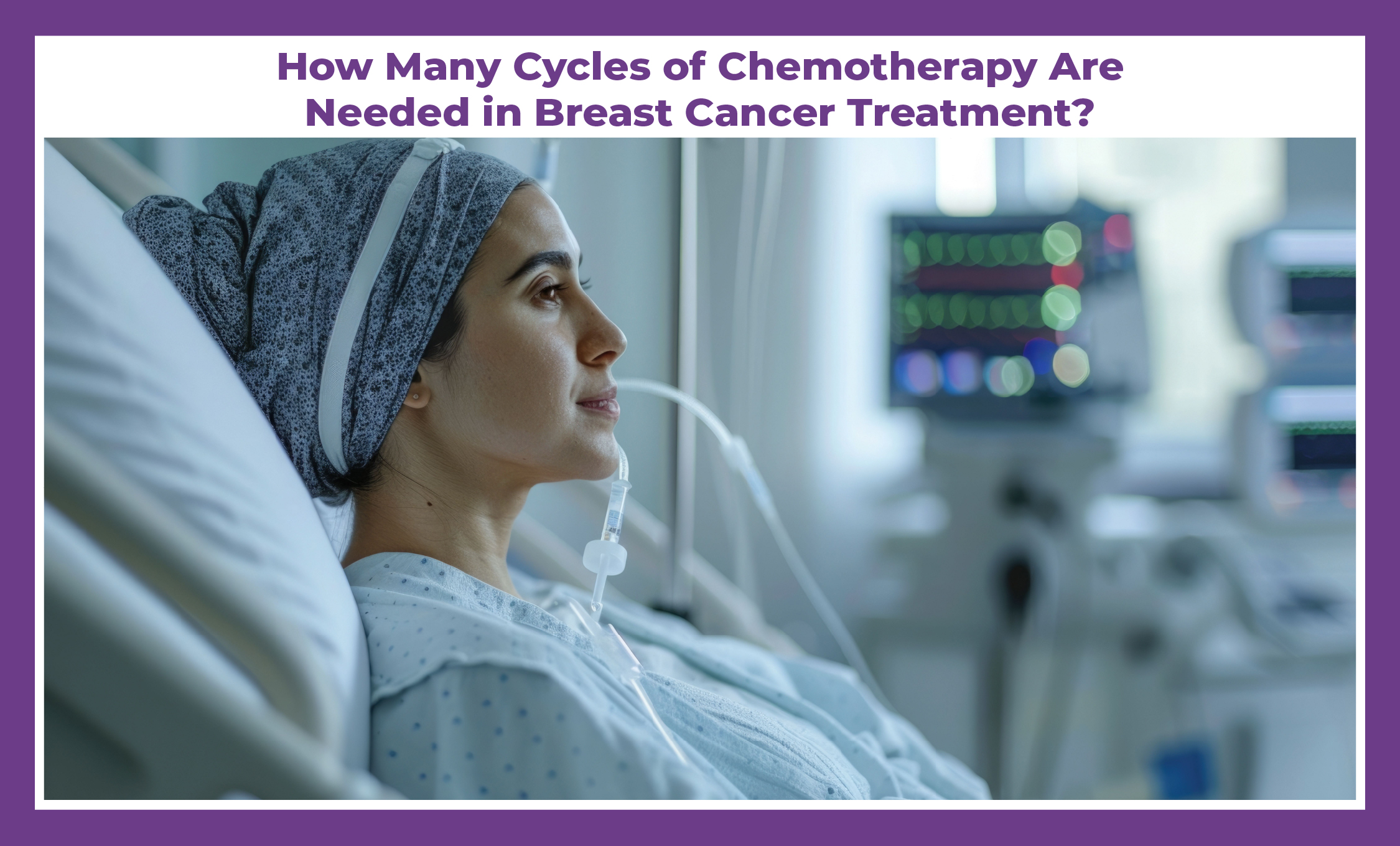
Before every cycle, blood tests are done to make sure the body is ready for treatment. The chemotherapy medicines are given through a drip into the vein. This usually takes a few hours.
After chemotherapy, patients are advised to rest, drink plenty of fluids, and follow dietary and medicine instructions. The next cycle is given only after the body has recovered.
A breast cancer doctor in Delhi or Gurugram monitors the patient closely to manage side effects and ensure treatment is going smoothly.
Side Effects of Chemotherapy
Common side effects of chemotherapy include hair loss, nausea, tiredness, mouth ulcers, and low immunity. Not every patient experiences all these side effects, and modern medicines have made chemotherapy much easier than before.
Most side effects go away after treatment is completed. Doctors adjust doses if side effects become too strong.
Can Chemotherapy Be Stopped Early?
In some cases, yes. If the tumor responds very well, doctors may decide that fewer cycles are enough. If side effects become too severe, treatment may be paused or changed.
Treatment decisions are always made based on what is best for the patient.
Is More Chemotherapy Always Better?
Not necessarily. More chemotherapy does not always mean better results. Doctors try to find the balance between destroying cancer cells and protecting healthy cells.
Giving too much chemotherapy can increase side effects without adding extra benefit. That is why treatment plans are personalized rather than copied from one patient to another.
Chemotherapy Is Only One Part of Treatment
Chemotherapy alone is usually not enough to treat breast cancer. Most patients also need surgery, radiation therapy, hormone therapy, or targeted therapy.
This combined approach is called multimodal treatment and gives better chances of cure.
Patients receiving breast cancer treatment in Delhi and Gurugram usually follow this combined treatment plan for the best outcome.
Emotional and Mental Health During Chemotherapy
Chemotherapy affects not only the body but also the mind. Patients may feel anxious, tired, or emotionally low. Family support, counseling, and proper guidance from doctors can make this journey easier.
A caring breast cancer doctor in Gurugram understands that emotional healing is as important as physical treatment.
There is no single answer to how many cycles of chemotherapy are needed in breast cancer treatment. For most patients, the number ranges between four to eight cycles, but the final decision depends on cancer stage, type, surgery plan, and overall health.
With modern treatment methods and expert care from specialists like Dr Deepak Jha, chemotherapy has become safer and more effective than ever before.
For patients undergoing breast cancer surgery in Gurugram or receiving breast cancer treatment in Delhi, understanding chemotherapy cycles helps reduce fear and prepares them better for the treatment journey.
Breast cancer treatment is not easy, but with the right plan, right doctor, and right support, recovery is possible. Knowledge empowers patients to face treatment with confidence and hope.
Subscribe Newsletter
Get all the information, latest updates, and articles delivered directly in your inbox