 breast.oncosurgery@gmail.com
 +91 9871413426
 Home
Home Testimonials
 Blogs
Blogs Contact


Does Breastfeeding Really Reduce Your Risk of Breast Cancer?
- Blog
- Does Breastfeeding Reduce Risk of Breast Cancer?
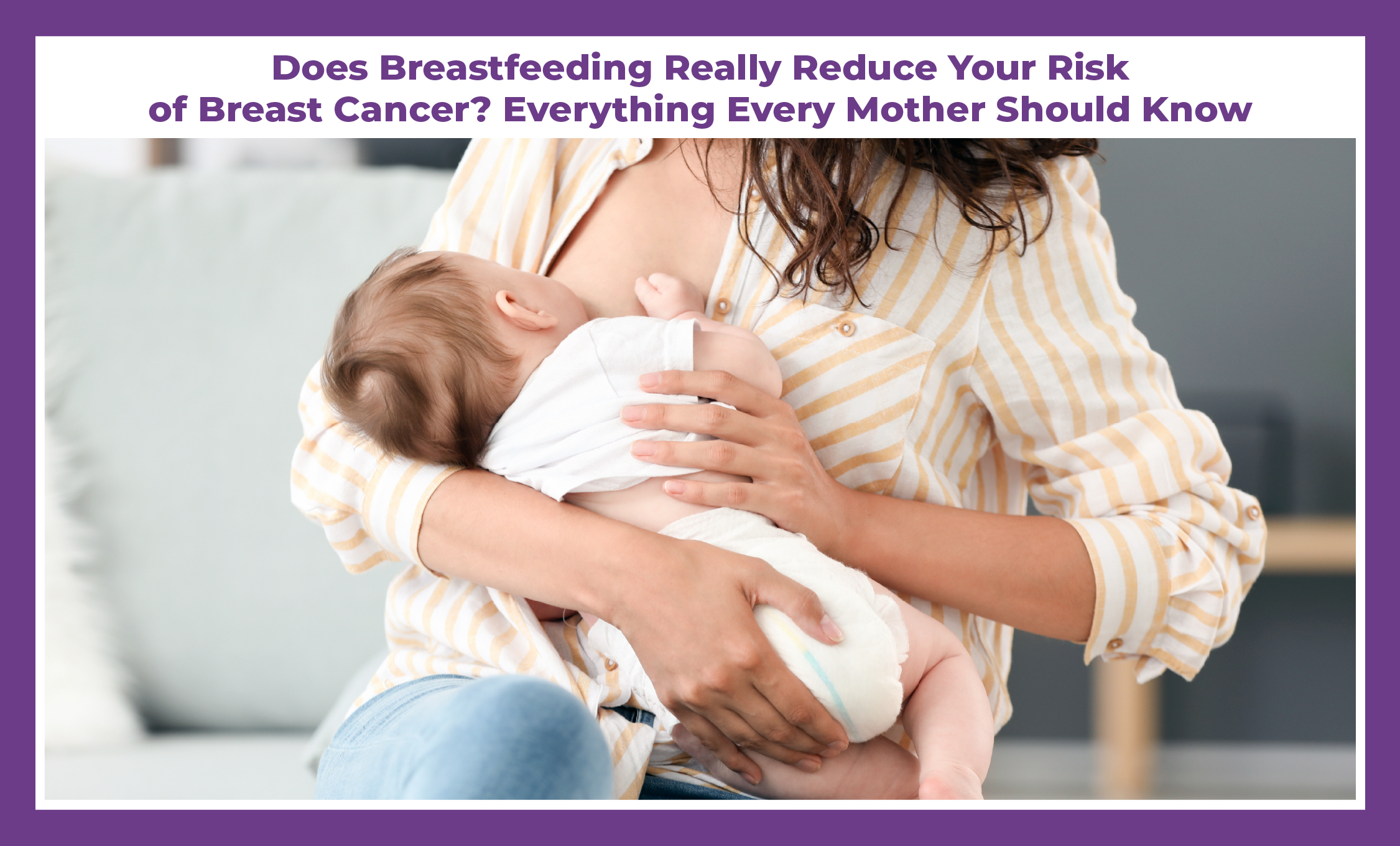
Breastfeeding is often celebrated for the incredible health benefits it offers babies, from boosting immunity to supporting healthy growth and development. However, its advantages extend beyond infant health. For mothers, breastfeeding has been associated with a lower risk of several health conditions, including ovarian cancer, type 2 diabetes, and most notably, breast cancer. This has led many women to ask an important question: Does breastfeeding really reduce your risk of breast cancer?
The simple answer is yes, but the relationship is more complex than many people realize. Breastfeeding can significantly reduce the lifetime risk of developing breast cancer, especially when practiced for longer durations. However, it does not provide complete protection. Women who breastfeed can still develop breast cancer, which makes regular breast awareness, timely screening, and early consultation with a specialist essential.
If you notice any persistent breast lump, unusual nipple discharge, skin changes, or swelling during pregnancy or breastfeeding, it is important not to ignore these symptoms. Consulting an experienced breast cancer specialist like Dr. Deepak Jha, a leading Breast Cancer Doctor in Delhi, can ensure early diagnosis and timely treatment, improving the chances of successful recovery.
Does Breastfeeding Really Reduce the Risk of Breast Cancer?
Scientific research from around the world consistently supports the idea that breastfeeding lowers the risk of breast cancer. According to studies published by leading cancer organizations, women who breastfeed have a lower lifetime risk of developing breast cancer compared to women who never breastfeed. The protective effect appears to increase with the total duration of breastfeeding across all pregnancies.
Breastfeeding influences a woman's hormonal environment and causes natural changes in breast tissue that make the breast less susceptible to cancerous changes over time. However, it is important to understand that breastfeeding is just one factor among many that influence breast cancer risk. Genetics, age, obesity, family history, reproductive history, alcohol consumption, smoking, and lifestyle choices all play significant roles.
Rather than viewing breastfeeding as a guarantee against breast cancer, it should be considered an important part of a broader strategy for maintaining lifelong breast health.
How Does Breastfeeding Help Reduce Breast Cancer Risk?
Researchers believe that breastfeeding protects against breast cancer through several biological mechanisms. During breastfeeding, a woman's body experiences hormonal changes that reduce exposure to estrogen, a hormone known to stimulate the growth of certain breast cancers. Because breastfeeding delays the return of regular menstrual cycles, women experience fewer ovulations and lower cumulative estrogen exposure throughout their lives. Reduced exposure to estrogen may lower the likelihood of abnormal breast cell growth.
Another reason lies in the maturation of breast cells. Pregnancy and breastfeeding cause breast tissue to fully develop, making the cells more specialized and less vulnerable to becoming cancerous. After breastfeeding ends, the breast undergoes a natural remodeling process where older cells are removed and replaced. Scientists believe this process may eliminate cells that have accumulated DNA damage before they have the opportunity to develop into cancer.
Together, these natural biological changes create an environment that is less favorable for the development of breast cancer.
Does Breastfeeding Protect Against All Types of Breast Cancer?
Breastfeeding appears to provide stronger protection against certain aggressive forms of breast cancer, particularly hormone receptor-negative and triple-negative breast cancer. Triple-negative breast cancer tends to occur more frequently in younger women and is often more aggressive than hormone-positive cancers. Studies suggest that women who breastfeed may have a lower risk of developing this subtype.
While breastfeeding reduces the overall risk of breast cancer, it does not completely eliminate the possibility of developing any specific type. This is why routine breast examinations and awareness remain essential regardless of breastfeeding history.
Can You Get Breast Cancer While Breastfeeding?
Yes. One of the biggest misconceptions is that breastfeeding completely prevents breast cancer. In reality, breast cancer can develop during pregnancy or while breastfeeding, although it is relatively uncommon. This condition is known as pregnancy-associated breast cancer.
Unfortunately, breast cancer diagnosed during breastfeeding is often detected later because many women mistake symptoms for common breastfeeding problems such as blocked milk ducts or mastitis. Since breastfeeding naturally causes breast enlargement and lumpiness, early cancer symptoms may be overlooked.
Any breast lump that does not disappear after feeding or persists for more than two weeks should always be evaluated by a breast cancer specialist.
Breast Changes During Breastfeeding: What Is Normal and What Is Not?
Breastfeeding causes several normal changes in the breasts. Mothers commonly experience fullness, tenderness, milk leakage, enlarged milk ducts, and temporary lumps caused by blocked ducts. These changes usually improve after feeding or pumping.
However, certain symptoms should never be ignored. Persistent lumps, skin dimpling, nipple inversion, bloody nipple discharge, swelling that does not improve, persistent redness, enlarged lymph nodes under the arm, or changes affecting only one breast require immediate medical attention. While these symptoms may still be caused by benign conditions, they should always be investigated to rule out breast cancer.
Breastfeeding Problems vs Breast Cancer: How Can You Tell the Difference?
Many breastfeeding mothers develop mastitis, breast abscesses, or blocked milk ducts. These conditions often cause pain, swelling, redness, and fever, and they usually improve with antibiotics or continued breastfeeding.
Breast cancer, on the other hand, often presents as a painless lump that does not disappear after feeding. Skin thickening, nipple changes, persistent redness despite treatment, or swelling that continues for several weeks should never be dismissed. If symptoms fail to improve after appropriate treatment, further evaluation with imaging and biopsy may be necessary.
Consulting Dr. Deepak Jha, an experienced Breast Cancer Doctor in Gurgaon/Gurugram, can help distinguish harmless breastfeeding-related conditions from more serious breast diseases.
Can Breastfeeding Delay Breast Cancer Diagnosis?
Unfortunately, yes. During breastfeeding, breast tissue becomes denser and more glandular, making both self-examination and imaging more challenging. Women often assume that lumps are related to milk production and delay seeking medical advice.
Delayed diagnosis may allow cancer to progress before treatment begins. This is why breast specialists recommend that any persistent breast change lasting longer than two weeks be evaluated promptly, even during breastfeeding.
Early diagnosis remains the single most important factor in improving survival and preserving treatment options.
How Is Breast Cancer Diagnosed During Breastfeeding?
Diagnosing breast cancer during breastfeeding is both safe and effective. Doctors begin with a detailed clinical breast examination followed by imaging studies. Breast ultrasound is usually the first investigation because it works well in dense, lactating breasts. Mammography can also be safely performed when necessary, particularly after emptying the breasts to improve image quality.
If imaging reveals a suspicious area, a core needle biopsy is performed to confirm the diagnosis. A biopsy is the only definitive way to determine whether a lump is cancerous. Women should never delay investigations out of concern that breastfeeding may interfere with testing.
Can Breast Cancer Be Treated While Breastfeeding?
Yes. Breast cancer treatment during breastfeeding depends on the stage of the disease, tumor characteristics, and the mother's overall health. Surgery is often the first step, followed by chemotherapy, radiation therapy, targeted therapy, or hormone therapy when appropriate.
Some treatments require temporary or permanent discontinuation of breastfeeding because medications may pass into breast milk. Every treatment plan is personalized, balancing effective cancer treatment with the health and well-being of both mother and baby.
Women requiring Breast Cancer Surgery in Delhi, Breast Cancer Surgery in Gurgaon/Gurugram, or Breast Cancer Surgery in Haryana should seek care from an experienced multidisciplinary breast cancer team to receive comprehensive treatment.
Breast Conservation Surgery: Preserving the Breast without Compromising Cancer Care
Many women fear that a breast cancer diagnosis automatically means complete breast removal. Fortunately, advances in modern breast cancer treatment have made this less common. When detected early, many patients qualify for Breast Conservation Surgery in Delhi, in which only the cancerous tissue and a margin of healthy tissue are removed while preserving most of the breast.
This approach offers excellent cancer control while maintaining the natural appearance of the breast. It is typically followed by radiation therapy and provides survival outcomes comparable to mastectomy in carefully selected patients.
Breast Preservation Surgery: A Modern Surgical Approach
Another significant advancement in breast cancer care is Breast Preservation Surgery in Delhi, also known as oncoplastic breast surgery. This combines cancer removal with reconstructive techniques to preserve the shape and appearance of the breast. Women no longer have to choose between effective cancer treatment and cosmetic outcomes.
Eligibility depends on factors such as tumor size, location, breast size, and overall health. Discussing all surgical options with an experienced breast cancer surgeon helps patients make informed decisions.
Other Ways to Reduce Your Risk of Breast Cancer
Although breastfeeding offers meaningful protection, it is only one aspect of breast cancer prevention. Maintaining a healthy weight, engaging in regular physical activity, limiting alcohol intake, avoiding tobacco, eating a balanced diet rich in fruits and vegetables, and participating in routine breast screening all contribute to lowering breast cancer risk.
Women with a strong family history of breast or ovarian cancer should also discuss genetic counseling and personalized screening plans with their healthcare provider.
When Should You See a Breast Cancer Specialist?
Any persistent breast lump, unexplained breast pain, bloody nipple discharge, nipple inversion, skin thickening, breast swelling, or enlarged underarm lymph nodes should be evaluated without delay. Early consultation can help distinguish benign breastfeeding-related conditions from breast cancer and ensure prompt treatment if needed.
Women seeking expert breast cancer care can consult Dr. Deepak Jha, a highly experienced Breast Cancer Doctor in Delhi, Breast Cancer Doctor in Haryana, and Breast Cancer Doctor in Gurgaon/Gurugram, who specializes in early diagnosis, advanced surgical treatment, breast conservation techniques, and comprehensive breast cancer management.
Why Choose Dr. Deepak Jha?
Choosing the right breast cancer specialist can significantly influence treatment outcomes. Dr. Deepak Jha is recognized for providing evidence-based, patient-centered breast cancer care with a strong focus on early diagnosis and personalized treatment planning. His expertise includes Breast Cancer Surgery in Delhi, Breast Cancer Surgery in Gurgaon/Gurugram, Breast Cancer Surgery in Haryana, Breast Conservation Surgery in Delhi, and Breast Preservation Surgery in Delhi.
Patients from across Delhi NCR and Haryana trust him for compassionate care, advanced surgical expertise, and multidisciplinary treatment that prioritizes both cancer control and quality of life. Whether you need evaluation for a suspicious breast lump or comprehensive breast cancer treatment, timely consultation can make all the difference.
Breastfeeding is one of the most valuable gifts a mother can give—not only to her baby but also to her own long-term health. Scientific evidence clearly shows that breastfeeding reduces the lifetime risk of breast cancer by promoting healthy breast tissue changes and reducing hormonal exposure. However, breastfeeding does not eliminate the possibility of developing breast cancer. Women should continue practicing breast awareness, undergo regular clinical evaluations when recommended, and seek medical attention for any persistent breast changes.
If you experience a breast lump, unusual nipple discharge, persistent pain, or changes that do not improve during breastfeeding, do not assume they are normal. Early diagnosis saves lives. Consulting Dr. Deepak Jha, an experienced Breast Cancer Doctor in Delhi and Best Breast Cancer Surgeon in Gurgaon/Gurugram, ensures access to advanced diagnostic techniques, personalized treatment plans, and modern surgical options designed to achieve the best possible outcomes. Early action today can protect your health for years to come