 breast.oncosurgery@gmail.com
 +91 9871413426
 Home
 Testimonials
 Blogs
 Contact



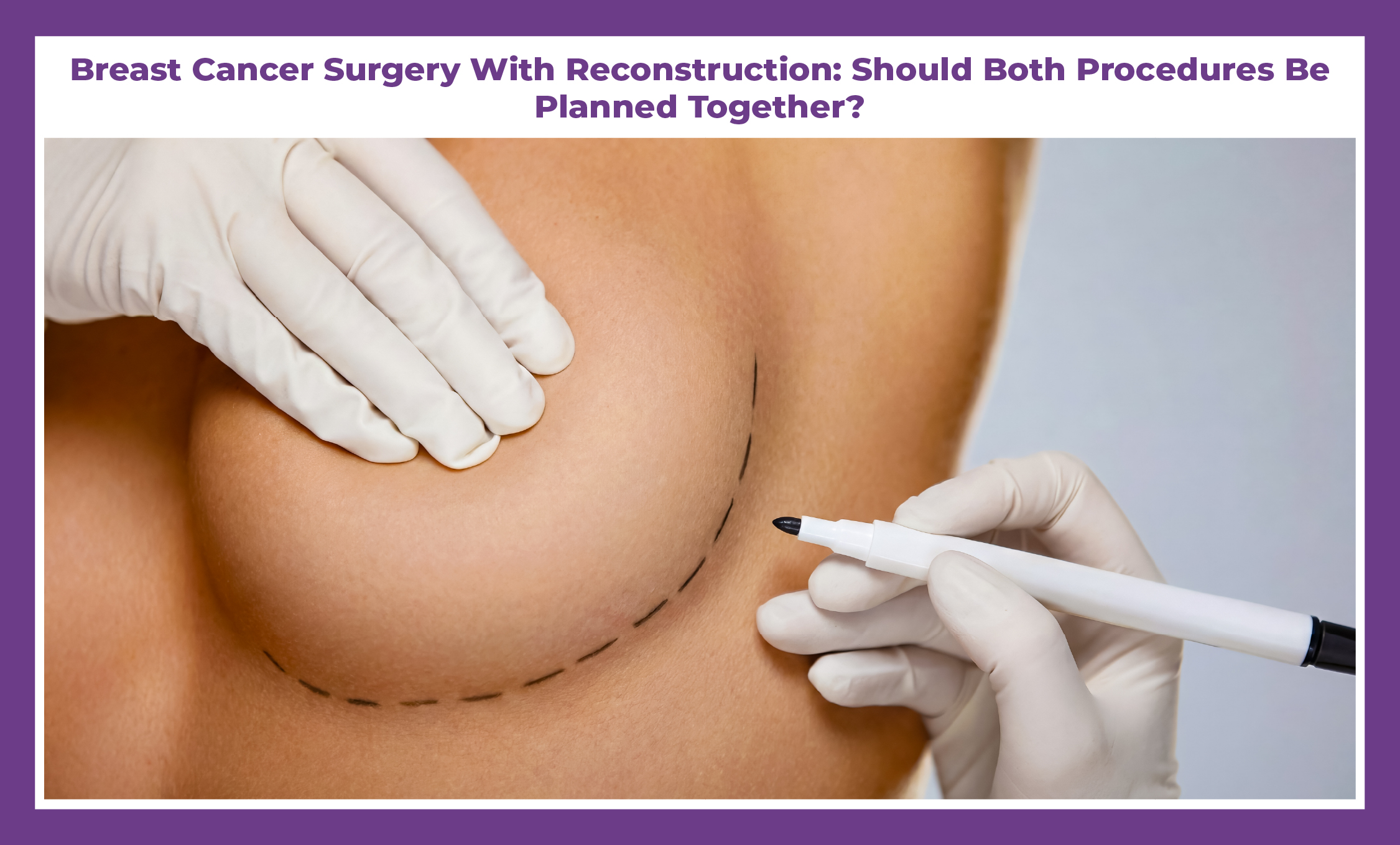
Breast Cancer Surgery With Reconstruction: Should Both Procedures Be Planned Together?
- Blog
- Breast Cancer Surgery With Reconstruction
Breast cancer surgery is an important step in treating breast cancer, but for many patients, the questions do not end with removing the cancer. They may also wonder how their breast will look after surgery, whether reconstruction is possible, and whether both procedures should be performed at the same time.
Breast cancer surgery with reconstruction allows eligible patients to explore cancer removal and restoration of breast shape as part of their overall treatment plan. However, reconstruction is not necessary for everyone, and the right approach depends on several medical and personal factors.
What Is Breast Cancer Surgery With Reconstruction?
Breast cancer surgery aims to remove cancerous tissue while treating the disease effectively. Depending on the size, location, and extent of the cancer, a surgeon may recommend breast-conserving surgery, also known as lumpectomy, or mastectomy, which involves removing the entire breast.
Breast reconstruction is a surgical procedure that rebuilds the shape of the breast after some or all breast tissue has been removed. It may involve breast implants, tissue taken from another part of the body, or a combination of techniques.
In selected cases, reconstruction can begin during the same operation as a mastectomy. This is called immediate breast reconstruction. Alternatively, reconstruction can be performed after the initial cancer surgery and other necessary treatments. This is known as delayed breast reconstruction.
The purpose of reconstruction is to restore breast shape according to the patient's preferences. It does not treat cancer itself, and it is not a requirement after mastectomy. Some patients choose reconstruction, while others prefer an external breast prosthesis or a flat chest closure.
The best option depends on the patient's diagnosis, health, treatment requirements, and personal choices.
Should Breast Cancer Surgery and Reconstruction Be Planned Together?
In many cases, breast cancer surgery and reconstruction should be discussed together before the operation. Early planning allows the medical team to consider the cancer treatment requirements alongside the patient's preferences regarding breast appearance.
However, planning both procedures together does not mean they must always be performed during the same operation.
For example, the surgeon may recommend immediate reconstruction if it is medically appropriate. In another case, delayed reconstruction may be a better option because the patient requires radiation therapy, has certain medical risk factors, or wants more time to consider the available choices.
Planning ahead helps the medical team evaluate the surgical approach, the possibility of preserving breast skin, the type of reconstruction that may be suitable, and the potential effect of additional treatments.
It also gives patients time to discuss the benefits, limitations, recovery requirements, and possible complications before making a decision.
For anyone considering Breast Cancer Surgery in Delhi, Gurgaon/Gurugram, or Haryana, understanding reconstruction options before surgery can help avoid rushed decisions and make the treatment process more organised.
Immediate Breast Reconstruction: Can Both Procedures Be Done Together?
Immediate breast reconstruction is performed during the same operation as a mastectomy. After the breast cancer surgeon removes the required breast tissue, reconstruction begins during that surgical session.
Depending on the patient's condition, reconstruction may involve a breast implant, a temporary tissue expander, or tissue taken from another part of the body.
One potential advantage of immediate reconstruction is that the patient can begin restoring breast shape during the initial operation. In suitable cases, certain skin-preserving surgical techniques may also support the reconstruction process.
Immediate reconstruction may reduce the need for a separate major operation to begin reconstruction, although additional procedures may still be needed later.
However, it is important to understand that immediate reconstruction may involve a longer operation and a more complex recovery than mastectomy alone. Patients may experience complications related to wound healing, infection, implants, or reconstructed tissue.
The decision also depends on whether radiation therapy is likely to be required. Radiation can affect reconstructed tissue and may increase the risk of certain complications.
Therefore, immediate reconstruction should be considered only after the breast cancer surgeon and reconstructive plastic surgeon assess the patient's individual circumstances.
Delayed Breast Reconstruction: Is It Better to Wait?
Delayed breast reconstruction is performed after the initial breast cancer surgery. Depending on the treatment plan, reconstruction may take place after chemotherapy, radiation therapy, or a period of recovery.
Some patients choose this approach because they want to focus on cancer treatment first. Others may be advised to wait because of their medical condition or the possibility that radiation therapy will affect the reconstruction.
One benefit of delayed reconstruction is that patients have more time to understand their options and make a decision without feeling pressured to choose immediately.
Waiting may also give the medical team greater flexibility to plan reconstruction after the effects of radiation or other treatments have been assessed.
However, delayed reconstruction generally involves a separate surgical episode, and previous surgery or radiation-related tissue changes may influence the available techniques.
It is important to remember that reconstruction may still be possible months or years after mastectomy for many patients. The appropriate timing depends on the patient's health, treatment history, healing, and preferences.
Immediate reconstruction is not automatically better than delayed reconstruction. The right choice is the one that fits the patient's overall cancer treatment plan.
How Does Radiation Therapy Affect Breast Reconstruction?
Radiation therapy is an important consideration when planning breast cancer surgery with reconstruction. It may be recommended after surgery to reduce the risk of cancer returning in the treated area.
Radiation can affect the skin and underlying tissues, sometimes causing tightness, changes in tissue flexibility, or wound-healing difficulties. It may also increase the risk of complications involving breast implants or reconstructed tissue.
This does not mean that patients who need radiation cannot undergo reconstruction. Many patients have successful reconstruction, but the timing and technique need careful consideration.
For example, some patients may be suitable for immediate reconstruction followed by radiation. Others may benefit from a staged approach or delayed reconstruction after radiation therapy.
The decision depends on the type of cancer surgery, the likelihood of radiation, the patient's medical condition, and the reconstruction method being considered.
The breast cancer surgeon, reconstructive plastic surgeon, and radiation oncologist may work together to coordinate treatment where appropriate.
The priority is always to ensure that reconstruction planning supports effective cancer treatment rather than interfering with necessary care.
What Are the Different Types of Breast Reconstruction?
The type of breast reconstruction recommended depends on the patient's anatomy, health, treatment requirements, and personal preferences.
Implant-Based Breast Reconstruction
Implant-based reconstruction uses a breast implant to restore breast shape. In some patients, an implant can be placed during the initial operation. In others, a temporary tissue expander is used first and replaced with a permanent implant later.
This approach may be suitable for patients who prefer implant-based reconstruction and meet the relevant medical criteria.
However, implants can be associated with complications such as infection, implant displacement, capsular contracture, and the need for future surgery. Patients should discuss these possibilities before choosing this option.
Breast Reconstruction Using the Patient's Own Tissue
Another option is autologous tissue reconstruction, which uses tissue from another part of the patient's body, such as the abdomen or back, to rebuild the breast.
This approach may be suitable for patients who prefer reconstruction using their own tissue. Depending on the technique, surgery may involve transferring skin and fat, sometimes with muscle, to create the breast shape.
Although this method can provide a natural tissue-based reconstruction, it generally involves additional surgical sites, scars, and recovery considerations.
The reconstructive surgeon can explain whether this option is appropriate based on the patient's anatomy and overall health.
Oncoplastic Breast Surgery
Not every patient requires full breast reconstruction after mastectomy. For selected patients undergoing breast-conserving surgery, oncoplastic breast surgery may be an option.
This technique combines cancer removal with procedures that reshape the remaining breast tissue. The goal is to remove the cancer appropriately while maintaining or improving breast shape.
The suitability of oncoplastic surgery depends on the location and size of the tumour, the amount of tissue that needs to be removed, and the patient's overall treatment plan.
Who Is Suitable for Immediate Breast Reconstruction?
Immediate breast reconstruction may be considered for patients undergoing mastectomy who want reconstruction and whose medical circumstances support the procedure.
The surgeon will evaluate several factors before recommending this approach. These include the stage and extent of the cancer, the condition of the breast skin, the possibility of needing radiation therapy, overall health, and the patient's preferences.
Smoking, diabetes control, wound-healing risks, and other medical conditions may also influence the decision.
Some patients may be suitable for skin-sparing or nipple-sparing mastectomy, which can preserve selected structures and support certain reconstruction options. However, these procedures are not appropriate for everyone.
Age alone does not determine whether reconstruction is possible. The decision should be based on the patient's overall health and individual clinical circumstances.
If immediate reconstruction is not advisable, delayed reconstruction may remain an option. Patients should discuss both approaches with their treating team before making a decision.
What Questions Should You Ask Before Breast Cancer Surgery?
Before undergoing breast cancer surgery, patients should understand the proposed procedure and how reconstruction may fit into the treatment plan.
It can be helpful to ask whether breast-conserving surgery or mastectomy is recommended and why. Patients should also ask whether immediate reconstruction is suitable, whether radiation therapy is likely, and which reconstruction methods may be available.
Understanding the risks, expected recovery, possible changes in sensation, scars, and the possibility of additional operations is equally important.
Patients should also discuss whether they can safely delay reconstruction if they need more time to make a decision.
These conversations help patients understand their choices and set realistic expectations. They also provide an opportunity to discuss personal concerns about appearance, recovery, daily activities, and emotional well-being.
A qualified breast cancer surgeon can explain the cancer surgery options, while a reconstructive plastic surgeon can provide further guidance about reconstruction techniques and expected outcomes.
What Is Recovery Like After Breast Cancer Surgery With Reconstruction?
Recovery varies depending on the type of cancer surgery, the reconstruction method, and the patient's overall health.
After surgery, patients may need pain management, wound care, follow-up appointments, and temporary surgical drains. The medical team will provide instructions regarding movement, bathing, physical activity, and returning to normal routines.
Recovery after implant-based reconstruction may differ from recovery after reconstruction using the patient's own tissue. Procedures involving a donor site, such as the abdomen, may require additional healing and activity restrictions.
Patients should also understand that reconstruction may not be completed in one operation. Some may need additional procedures to improve symmetry, refine the breast shape, or reconstruct the nipple and areola.
The reconstructed breast may look and feel different from natural breast tissue. Sensation may be reduced or absent in some areas, and the final appearance can change as healing progresses.
Following the surgeon's instructions and attending scheduled follow-up appointments are important parts of recovery.
Can Breast Reconstruction Affect Cancer Treatment?
Breast reconstruction is intended to restore breast shape. It does not replace cancer treatment or eliminate the need for follow-up care.
Depending on the cancer type and stage, patients may still require chemotherapy, radiation therapy, hormone therapy, targeted therapy, or other treatments.
This is why coordination between the breast cancer surgeon and the wider oncology team is important. The treatment plan should be designed around the patient's cancer and overall medical needs.
Reconstruction does not eliminate the possibility of cancer recurrence. Patients should continue the recommended follow-up schedule and ask their medical team about appropriate examinations and imaging.
Understanding how reconstruction fits into the complete treatment plan can help patients prepare for the months following surgery.
Choosing a Breast Cancer Surgeon in Delhi, Gurgaon, or Haryana
Choosing a qualified breast cancer surgeon is an important step in making decisions about surgery and reconstruction. Patients should look for a specialist who can explain the diagnosis, discuss appropriate surgical options, and coordinate care with other specialists when needed.
Patients searching for the Best Breast Cancer Surgeon in Delhi, Best Breast Cancer Surgeon in Gurgaon/Gurugram, or a Breast Cancer Surgeon in Haryana should consider the surgeon's qualifications, relevant experience, communication, and the suitability of the proposed treatment plan.
Similarly, patients exploring Breast Cancer Surgery in Delhi, Breast Cancer Surgery in Gurgaon/Gurugram, or Breast Cancer Surgery in Haryana should ask how reconstruction can be incorporated into their care and whether a reconstructive plastic surgeon is available for consultation.
Dr. Deepak Jha is a breast cancer surgeon whose consultation can help patients understand their surgical options and discuss questions about treatment planning. Patients considering treatment with Dr. Deepak Jha can review their diagnosis and reports and discuss whether immediate or delayed reconstruction may be appropriate.
Whether you are looking for a Breast Cancer Doctor in Delhi, a Breast Cancer Doctor in Gurgaon/Gurugram, or a Breast Cancer Doctor in Haryana, an informed consultation can help you understand the available options and decide what questions to raise before surgery.
Frequently Asked Questions
Q1) Should breast cancer surgery and reconstruction always be planned together?
They should ideally be discussed before surgery when reconstruction may be relevant. This allows the medical team to consider the cancer treatment plan and reconstruction options together. However, the procedures do not always need to be performed at the same time.
Q2) Is immediate breast reconstruction better than delayed reconstruction?
Neither approach is best for every patient. Immediate reconstruction may be suitable for some, while delayed reconstruction may be preferable when radiation therapy, medical considerations, or personal preferences make waiting more appropriate.
Q3) Can breast reconstruction be performed after radiation therapy?
Yes. Many patients can undergo reconstruction after radiation therapy. The timing and technique depend on tissue healing, overall health, previous treatment, and the reconstructive surgeon's assessment.
Q4) Does breast reconstruction increase the risk of cancer returning?
Reconstruction is intended to restore breast shape and does not itself eliminate or determine the risk of cancer recurrence. Recurrence risk depends on the original cancer and its treatment. Patients should discuss their individual situation with their oncology team.
Q5) Can reconstruction be performed years after mastectomy?
Yes. Many patients can consider delayed reconstruction months or years after mastectomy. Suitability depends on overall health, previous treatment, available tissue, and personal preferences.
Q6) Is breast reconstruction necessary after mastectomy?
No. Reconstruction is a personal choice. Some patients choose reconstruction, while others prefer an external breast prosthesis or a flat chest closure.
Breast cancer surgery and reconstruction can often be planned together, giving patients and their medical team time to consider cancer treatment, reconstruction options, recovery, and personal preferences.
However, planning both procedures together does not mean reconstruction must happen immediately. Immediate reconstruction may be appropriate for some patients, while delayed reconstruction may be more suitable for others, particularly when radiation therapy or other medical factors influence the decision.
If you are considering breast cancer surgery, discuss reconstruction early with your treating team. Understanding the benefits, risks, timing, and limitations of each option can help you make a decision that supports both your treatment needs and personal goals.
For patients seeking guidance from Dr. Deepak Jha, a consultation can provide an opportunity to discuss the diagnosis, understand the proposed surgical approach, and explore questions about breast reconstruction.
Subscribe Newsletter
Get all the information, latest updates, and articles delivered directly in your inbox